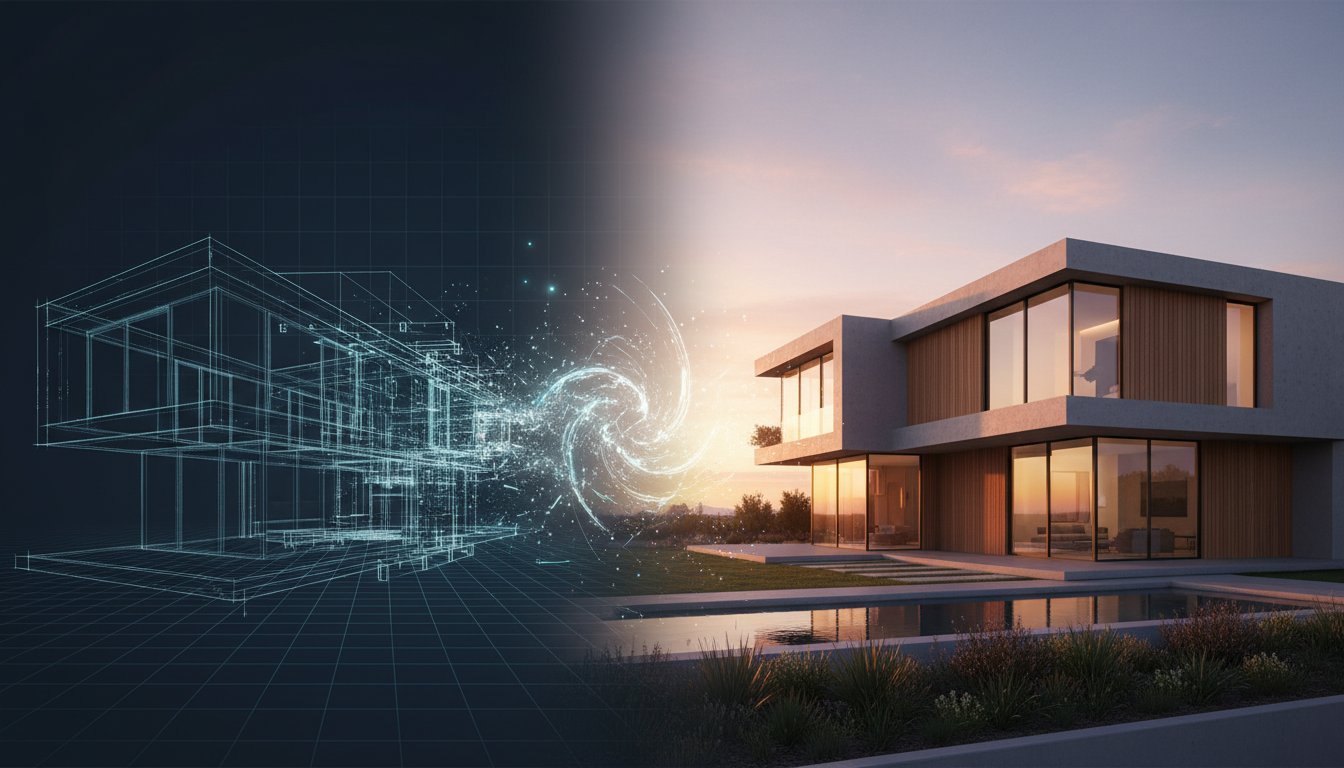
The thought of building your own home is thrilling, but it’s often followed by a wave of anxiety. How do those beautiful drawings become a real house? Who ensures your vision isn’t lost in translation between the blueprint and the builder? The fear of budget overruns, construction delays, and a final product that doesn’t match your dream can feel overwhelming. This is where a deep understanding of home construction architecture becomes your most powerful tool, acting as the crucial bridge between your initial concept and the final, tangible reality.
This guide is designed to demystify that entire process. We will provide a clear roadmap from the first sketch to the final walkthrough, explaining exactly how architectural design translates into a finished structure. You’ll learn the architect’s vital role at every stage, empowering you with the knowledge and confidence to ensure the home you envisioned is the home you build—smoothly, predictably, and successfully. Consider this your complete playbook for turning your blueprint into a beautiful reality.
The Two Pillars: Understanding Architecture vs. Construction
Embarking on a home build is an exciting journey, but it’s crucial to first understand its two foundational pillars: architecture and construction. While often used interchangeably, they represent distinct disciplines that must work in harmony. Think of it this way: architecture is the art of design—the ‘what’ and the ‘why’ of your future home. It’s the vision, the function, and the form. Construction, conversely, is the craft of building—the ‘how’ that translates those abstract plans into a tangible, physical structure.
A common misconception is viewing the architect and the general contractor as separate, sequential players. In reality, a successful project depends on their deep, ongoing collaboration. A brilliant architectural design is only as good as its execution, and the most skilled construction team needs a clear, well-conceived blueprint to follow. Understanding their distinct roles is the first step in mastering the world of home construction architecture.
What is Architecture in Home Building?
Architecture is far more than just drawing pretty pictures of a house. It is the intricate process of problem-solving for modern living. An architect’s primary job is to create a design that thoughtfully balances several critical elements:
- Aesthetics: The visual appeal and style of the home.
- Functionality: How the space flows and meets your family’s daily needs.
- Budget: Ensuring the design is achievable within your financial constraints.
- Regulations: Adherence to local building codes, zoning laws, and safety standards.
The final output includes detailed blueprints, material specifications, and often 3D models that provide a clear vision of the end result, ensuring the design is both beautiful and, most importantly, buildable.
What is Construction in Home Building?
If architecture is the plan, construction is the execution. This phase is where the vision becomes reality, managed by a general contractor who serves as the project’s hands-on leader. The contractor is responsible for the physical assembly of the home, orchestrating every detail of the complex home construction process. Their focus is on translating the architect’s blueprints into a high-quality structure by managing subcontractors, sourcing materials, maintaining the project schedule, and ensuring site safety. Their expertise lies in craftsmanship, logistics, and strict adherence to the design specifications.
The Architect’s Role Beyond the Blueprint: Navigating the Construction Phase
Many homeowners believe an architect’s job is finished once the blueprints are approved. However, the transition from paper to physical structure is one of the most critical stages in home construction architecture. This phase, often called ‘Construction Administration,’ is where your architect shifts from designer to on-site advocate, ensuring the vision detailed in the plans is executed with precision and quality.
Without this expert oversight, misinterpretations of complex documents can lead to costly mistakes, compromised aesthetics, and significant delays. Your architect acts as your representative, liaising with the contractor to protect your interests and the integrity of the design throughout the entire build.
Project Management and Site Observation
Consistent oversight is key to quality control. Through regular site visits, your architect actively monitors the construction progress to verify that it aligns with the architectural plans and specifications. This hands-on involvement includes:
- Observing the quality of materials and craftsmanship.
- Comparing the work-in-progress against the construction documents to catch deviations early.
- Answering contractor questions and clarifying complex design details on the spot.
- Documenting progress with reports and photos to keep you fully informed.
Problem-Solving and On-Site Adaptations
No build is immune to unforeseen challenges, from unexpected soil conditions to material delays. An experienced architect anticipates these issues and provides creative, effective solutions. They collaborate directly with the builder to adapt the plan as needed without compromising the core design, preventing small problems from derailing the project’s timeline and quality.
Managing Budgets, Payments, and Changes
An architect also provides crucial financial oversight. They review the contractor’s applications for payment to confirm the work completed accurately reflects the amount billed. When a ‘change order’ is necessary—an alteration to the original plan—they assess its impact on both the budget and the design, helping you make an informed decision. This diligence is vital for keeping your project on track financially. Our expert project management services ensure your vision is protected from start to finish.
The Home Construction Journey: A Phased Timeline
Understanding the roadmap from a simple idea to a finished home is crucial for a smooth project. The process of home construction architecture is complex, but breaking it down into distinct phases helps manage expectations, track progress, and ensure every detail is addressed. This timeline demystifies the journey, highlighting the key milestones you’ll encounter along the way.
Phase 1: Pre-Design and Feasibility
This foundational stage is all about discovery and planning. Before any lines are drawn, you and your architect will define your vision, practical needs, and budget. Key activities include:
- Goal Setting: Clarifying your lifestyle needs, must-haves, and aesthetic preferences.
- Site Analysis: Evaluating your land’s topography, orientation, and potential constraints.
- Code Review: Investigating local zoning laws and building codes that will impact the design.
Phase 2: Schematic Design & Design Development
Here, your vision begins to take visual form. Your architect translates your ideas into initial concept sketches, floor plans, and 3D models. This collaborative phase involves refining the layout, selecting materials, and defining the home’s overall look and feel. As the design develops, structural engineers and other consultants are brought in to ensure the plan is both beautiful and buildable.
Phase 3: Construction Documents & Bidding
This is where the art of design becomes a precise science. Your architect creates a highly detailed set of blueprints and specifications, known as construction documents. This comprehensive package serves as the legal instructions for the builder. With these documents in hand, you can solicit bids from qualified general contractors, ensuring every builder is pricing the exact same project for an accurate comparison.
Phase 4: Construction and Project Closeout
With a builder selected, construction begins. Your architect typically remains involved, acting as your advocate to ensure the work is executed according to the plans. This phase includes site visits, problem-solving, and managing progress. Before the final handover, a “punch list” is created to identify any remaining items needing correction. Once complete, you receive the keys to your beautifully realized home.
Key Architectural Decisions That Shape Construction
The architectural design phase is far more than just creating an attractive floor plan; it’s a strategic process where every decision has a ripple effect on the entire construction project. The choices you make on paper directly influence the complexity, timeline, and cost of the build. Making informed decisions early, with expert guidance, is the single best way to ensure your project stays on budget and schedule, transforming a blueprint into a beautiful, functional reality.
Site Selection and Orientation
Before a single line is drawn, the land itself dictates the foundation of your project. A sloped lot may require costly excavation and retaining walls, while poor soil conditions could necessitate a specialized, engineered foundation. An experienced architect analyzes the topography to position the home for maximum natural light, capture the best views, and integrate plans for drainage and utilities. Tackling these site challenges in the design phase is crucial for managing the entire scope of your home construction architecture.
Material Selection and Sourcing
Choosing materials is a critical balancing act between four key factors: aesthetics, durability, cost, and maintenance. A particular material may look stunning but have long lead times that delay the schedule or require specialized labor that increases costs. For example, building with structural insulated panels (SIPs) is fast but requires a crew experienced with the system, whereas traditional wood framing is more common but can be more labor-intensive on-site. Considering the long-term performance and installation requirements of each material is essential for a successful build.
Integrating Sustainable and ‘Green’ Design
True sustainability is designed from day one, not added as an afterthought. This involves orienting the home for passive solar heating and cooling, specifying high-performance insulation, and integrating systems like geothermal heating or rainwater harvesting. These green design choices impact construction methods, from framing techniques to plumbing and electrical layouts. While they may require an initial investment, the long-term value is realized through significantly lower utility bills, improved indoor air quality, and a more resilient home. Explore our sustainability consulting services to build a greener home from the ground up.
Your Vision, Built to Last: From Blueprint to Front Door
Building a home is a monumental journey where inspired design and skilled execution must work in perfect harmony. As we’ve explored, the process is far more than just blueprints and bricks; it’s about the crucial partnership between architect and builder, the strategic decisions made at every phase, and the unwavering commitment to a unified vision. Understanding this intricate process is the first step toward creating a space that is not only beautiful but also perfectly suited to your life.
The path of home construction architecture can be complex, but you don’t have to navigate it alone. At ArchMasters, we pride ourselves on a truly collaborative approach, guiding you from the first sketch to the final walkthrough. With our expertise in comprehensive project management and as specialists in sustainable, energy-efficient design, we are dedicated to bringing your unique vision to life with precision and care.
Ready to turn your vision into a home? Contact ArchMasters for a consultation. Your dream home is not just a possibility; it’s a project waiting to begin.
Frequently Asked Questions
What is the difference between an architect and a residential designer or draftsman?
The primary difference is licensure and education. An architect is a state-licensed professional who has completed rigorous education and internships, legally able to design any type of building. A residential designer specializes in homes and may not be licensed, often working on projects within specific code limitations. A draftsman is a skilled technician who creates the technical drawings based on the designs of an architect or designer, but does not typically do the designing themselves.
What is a ‘Design-Build’ firm and how is it different from hiring an architect and builder separately?
A Design-Build firm provides both architectural design and construction services under a single contract. This creates one point of responsibility for the entire project, streamlining communication and collaboration between the design and construction teams. The traditional method involves hiring an architect to create plans and then separately hiring a builder to execute them. The Design-Build approach can often lead to faster project delivery and more cohesive results by integrating both phases from the start.
How long does the entire home construction architecture process typically take?
A custom home project can take anywhere from 12 to 24 months, or even longer. This timeline is broken into phases: the design phase (3-6 months), permitting and approvals (1-4 months), and the construction phase itself (9-18+ months). The total duration for your specific home construction architecture project depends heavily on the home’s complexity, the efficiency of local permitting offices, weather conditions, and the availability of materials and labor.
How are architectural fees usually structured for a custom home project?
Architectural fees are typically structured in one of three ways. The most common is a percentage of the total construction cost, usually ranging from 8% to 15%. Another option is a fixed or “stipulated sum” fee, agreed upon upfront. Lastly, some architects charge an hourly rate, which is common for smaller projects or consultation services. The specific structure depends on the project scope, the architect’s experience, and the services included in your agreement.
What are the most common problems that arise during home construction?
Common issues include budget overruns, often caused by unforeseen site conditions or material price fluctuations. Weather delays are a frequent problem, halting progress for days or weeks. Communication breakdowns between the owner, architect, and builder can also lead to mistakes and frustration. Other challenges in home construction architecture involve subcontractor scheduling conflicts and unexpected delays in obtaining permits or passing inspections, which can disrupt the entire project timeline.
Can I make changes to the design after construction has started?
Yes, you can make changes, but it is often costly and can cause significant delays. Any modification after construction begins is handled through a “change order,” a formal document that outlines the new work, the additional cost, and the impact on the schedule. Even seemingly small changes can have a ripple effect, potentially requiring completed work to be redone or affecting the delivery timeline for subsequent materials, so it is best to finalize decisions before breaking ground.